Sept. 16, 2026
Addiction Reporter
Theresa covers substance use and addiction and co-writes theMorning Roundsnewsletter. You can reach Theresa on Signal at theresagaff.97.
Get your daily dose of health and medicine every weekday with STAT’s free newsletter Morning Rounds.Sign up here.
Good morning. A family member told me he’s trying to eat 30 different plants each week for a diverse gut microbiome. The list includes whole foods, of course, but also spices and herbs. Is this backed by science? I have no idea. Is it fun to compare lists at the end of the week? You bet.
Advertisement
The most measles deaths in decades
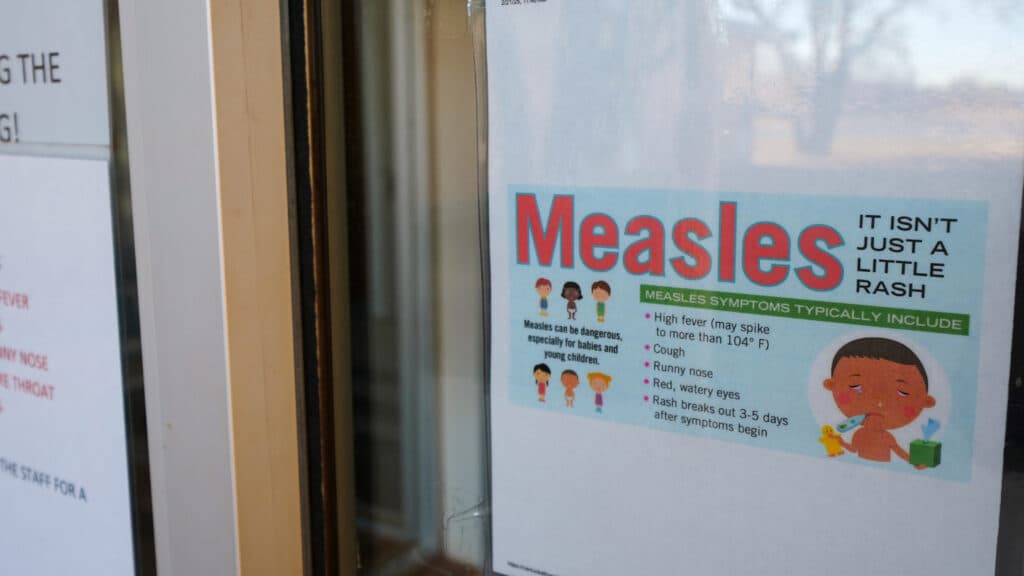
Pennsylvania reported two more measles-related deaths yesterday in a growing outbreak that includes 693 cases across 38 counties. As Helen Branswellreported, one was a 40-year-old woman. The second was an 18-year-old.
That makesfour measles-related deathsin the U.S. this year, more than any other year since 1992. But health secretary Robert F. Kennedy Jr. disputed the role of measles in the first two deaths, and as of this writing, the CDChas not yet registeredany measles-related deaths for 2026. “CDC will report measles-caused deaths when the National Center for Health Statistics reports measles as the underlying cause based on death record information submitted by the states,” Kennedy posted onXyesterday.
If you want to get caught up on the growing measles crisis, some evergreen reading recommendations:
Advertisement
- How we knowthat splitting up the MMR vaccine could be dangerous
- Is measlesstill officially eliminatedin the U.S.?
- There are alreadymore U.S. measles casesthis year than in all of 2025
How the midterms could change health care
Democrats are vowing to aggressively pursue oversight if they win control of the House or Senate in November’s midterm elections. How will they center health care issues? STAT’s John Wilkerson explains in his latest story that the work Democrats have been doing throughout Trump’s second term is a good place to look for their potential targets.Read moreon what power players would likely face new probes.
In the meantime, STAT contributor and physician Jason Karlawish writes that politicians from both parties are talking about dementia like schoolyard bullies. “Americans need to have a responsible conversation about dementia, and our politicians could inspire this,” he argues in his latest column.
This isn’t a niche concern. Karlawish believes that major issues in midterms — including the economy, health care, and immigration — are deeply connected to dementia.Read more.
How one doctor incorporates his own cancer into teaching
David Elkowitz was diagnosed with thymic cancer in 2017. For three days after his first biopsy, he was silent, unable to speak. Only after his oncologist opened up abouthercancer was Elkowitz able to communicate again. “She was not obligated to be so open, but her humility unlocked me,” he writes in a new First Opinion essay. “From that moment, it became a no-brainer to present my own journey to medical students.”
Nearly a decade later, Elkowitz shares his personal experience when he teaches first years about the structure of cancer. He presents his own tumors, test results, and treatments.Read moreabout how he tries to make medicine feel real to future physicians.
‘It will knock you out no matter what, you couldn’t even fight it’
That’s how a 31-year-old woman described medetomidine, a sedative that has beenincreasingly contaminatingthe illegal fentanyl drug market for the past two years. A paper published Monday in theAnnals of Internal Medicinerecounts 16 patient experiences with the tranquilizer. Participants told researchers the drug is so powerful, it’s typical to pass out after using. In public, this increases a person’s risk of being robbed or assaulted. Medetomidine withdrawal is known to be excruciating, with an elevated heart rate and blood pressure that can, in severe cases, be life-threatening.
Advertisement
These are not particularly novel findings — in my first week on the addiction beat, I’ve learned that research is often a few steps behind drug users and clinicians when it comes to identifying such trends. That problem is intensified by the rapid shifts in the illegal drug supply. “It is the constant change of molecules that resets the harm for every generation, every few years,” epidemiologist and harm reduction advocate Nabarun Dasgupta recently told me. Re-read Lev Facher’s explainer onmedetomidinefrom last year, and another great piece from STAT contributor Hannah Harris Green on howjails are on the front lineof addressing this new, complicated type of withdrawal.
Medicare expands experimental tech program
Last year, Medicare officials announced a new, experimental program that will pay approved technology companies to manage chronic conditions like diabetes, high blood pressure, depression, and anxiety. It’s barely begun, but as STAT’s Mario Aguilar reported yesterday, regulators are already moving to expand the conditions eligible for the model. Yesterday, they announced the addition of substance use disorder, heart failure, tobacco use, and more.
The idea behind the model is to introduce outcome-aligned payments, in which providers are paid more if their patients’ conditions improve.Read moreon which providers have been approved to participate so far, and which opted not to enroll.
What we’re reading
A cancer survivor hoped to work — then she lost her Medicaid disability coverage,KFF Health News
Those viral bodega peptides aren’t actually peptides,Wired
- FDA takes applications for new program to shorten drug approval times,STAT
- New NIH research center on vaccine harms takes shape,Science
- Vera kidney drug Trutakna shows strong final results in Phase 3 trial,STAT
Addiction Reporter
Theresa covers substance use and addiction and co-writes theMorning Roundsnewsletter. You can reach Theresa on Signal at theresagaff.97.
Newsletter
Understand how science, health policy, and medicine shape the world every day