Watchmaker Genomics Boosts Manufacturing Capacity with Major Boulder Campus Expansion
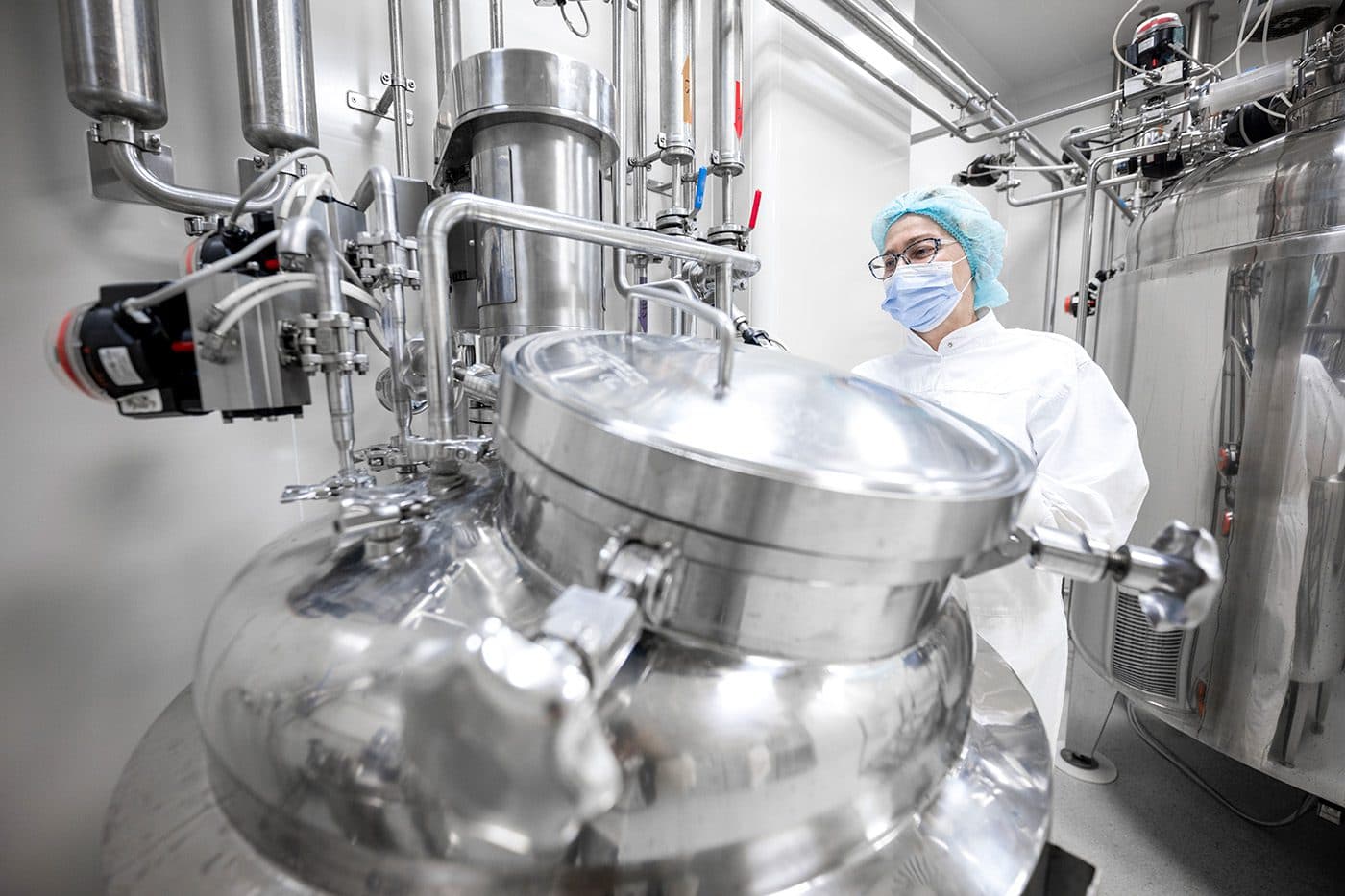
Watchmaker Genomics signed a long-term lease for approximately 100,000 square feet at Flatiron Park in Boulder, CO. The facility will more than double Watchmaker’s manufacturing capacity and provide room for continued growth across R&D, quality, logistics, and other key functions.
The expansion is expected to support hundreds of new Colorado jobs over the coming years, with hiring occurring in phases as the campus comes online, according to a company official. The site is scheduled to become operational in the second half of 2027, following completion and qualification.
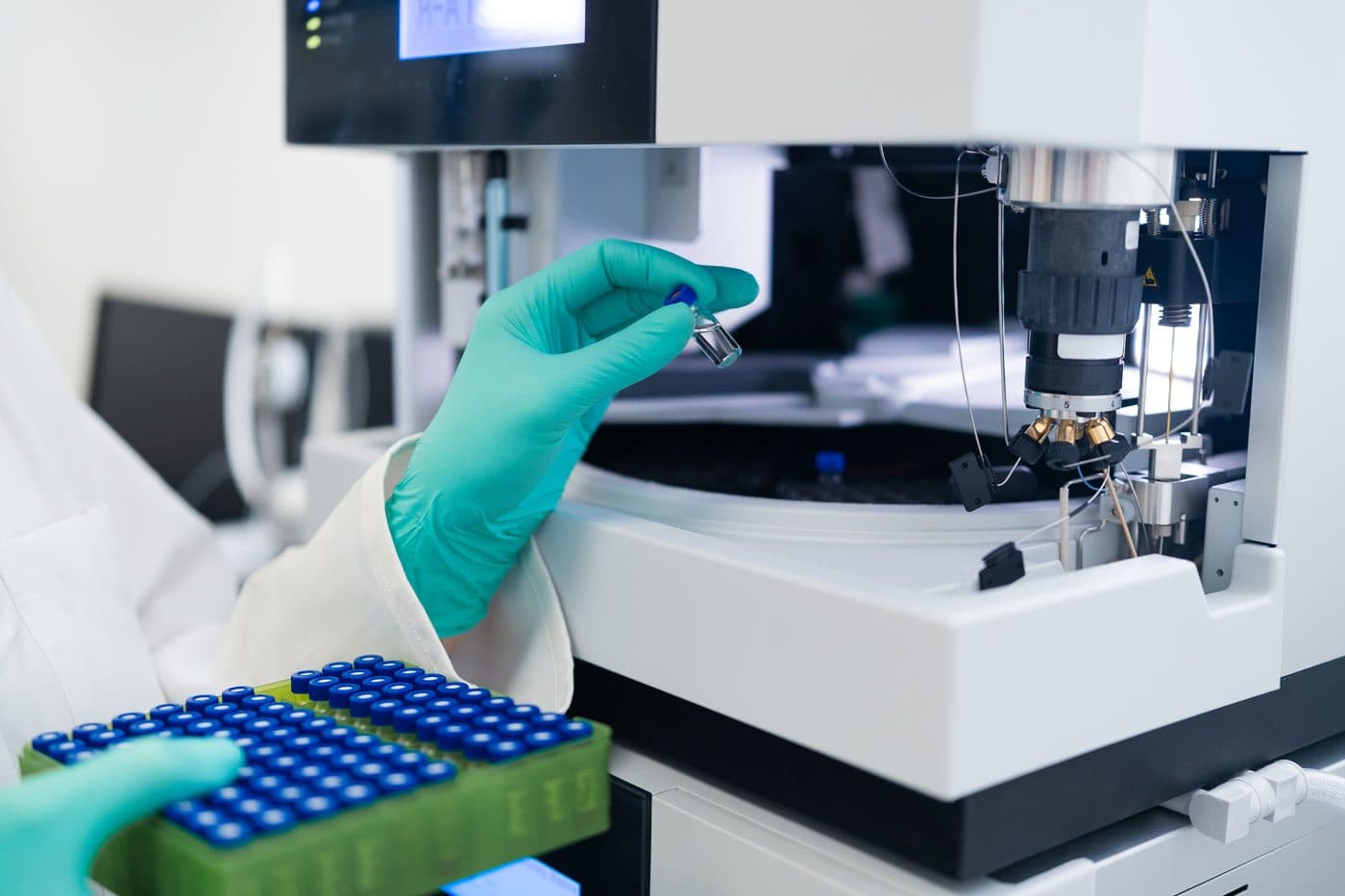
Watchmaker develops and manufactures the specialized enzymes, reagents, and kits used to analyze DNA and RNA. Founded in 2019, it focuses heavily on technologies supporting next-generation sequencing and molecular diagnostics.
“This is an important milestone for Watchmaker,” said Trey Foskett, CEO and co-founder. “We are investing in the infrastructure, quality systems, and manufacturing capabilities required to serve leading genomics and molecular diagnostics companies at commercial scale. It reflects our confidence in the future of precision genetic testing, the strength of our team, and Boulder as a place to build a world-class life science company.”
The Flatiron Park facility will serve as the Watchmaker Boulder Manufacturing Center of Excellence for reagent manufacturing and will house the company’s manufacturing, quality, R&D, and operations teams. It will also support the expansion of activities governed by Watchmaker’s ISO 13485-certified quality management system.
Building on continued growth at Watchmaker’s Cape Town, South Africa, operations, the new Boulder campus further develops the company’s globally connected research, development, and manufacturing network, noted Foskett. Together, the sites support customers and partners across North America, Europe, and Asia.
“This expansion is about more than square footage,” commented Brian Deneau, chief financial and operating officer. “It creates the operational foundation for our next stage of growth and strengthens our ability to pair technical innovation with rigorous quality systems and dependable manufacturing.”
NewsGenetic Engineering and BiotechnologyGenetic testing (Diagnostic technique)GenomicsNext-generation sequencing (Computational biology)Previous article
Immune Cells Driving Alzheimer’s-Like Neurodegeneration Traced to Lymph NodesNext article
Cancer Drug Reduces SIV Reservoir in Macaques, May Inform HIV Cure StrategiesAlso of Interest
MyotisBat Genomes Reveal How They Fight Viruses, Cancer, and Cellular DamageStockWatch: Merck/Moderna Cancer Vaccine Gives a Shot in the Arm to Sequencing Companies, TooCDMOs Expand and Build for Future GrowthHow South Carolina Became the Southeast’s Fastest Growing Biotech HubThe Future of Aging Research Is Longitudinal, Multiomic, and Single-CellBMS Chooses Houston for $2.3B Manufacturing FacilityRelated Media
AI in Protein Design: Hype vs. Reality Explained by David BakerIn Conversation with Visionary Geneticist George ChurchBoston's Bioprocessing Buzz:GENReports Live from BPI 2025From Functional Genomics to Cell Therapy: The Role of CRISPR-Based Gene EditingThe Future of Bioinformatics: Scaling Interactive and Computational Workflows with SeqeraGenomics in Snowy Denver: A Video Update from ASHGTop 5ResourcesRecommended For YouPodcast
Touching Base
Touching Base is the dynamic podcast series from the editors ofGEN. Each episode features a rotating case of senior editors—including John Sterling, Kevin Davies, Julianna LeMieux, Alex Phillippidis, Uduak Thomas, Corinna Singleman, and Fay Lin—who delve into emerging stories, exchange ideas, and debate the latest trends in biotech. Additionally, they talk to some of the leading voices in the industry about what's now and next.Start listening today!
Stay up to date with the lasted episodes of Touching Base bysubscribing to theGENPodcast Newsletter